Does Window Tinting Lower Energy Bills in Louisville?

Home Window Tinting

Homeowners across Louisville notice how hard their AC works during long, humid summers. Sun pours through exposed glass, floors heat up, and rooms feel uneven. Since window glass allows so much heat to enter, home window tinting services in Louisville, KY give homeowners a direct way to control indoor temperatures and reduce cooling costs.

Quality residential window tinting blocks a significant share of solar heat, often reducing heat gain on sun-exposed glass by 30 to 60 percent. When less heat enters the home, the cooling system does not run as long or as hard. Many Louisville homes, especially those facing south or west, notice the difference across the first season. Utility bills begin to show the change, and indoor comfort becomes easier to maintain.

How Window Tinting Supports Energy Control in Louisville Homes

Louisville's weather swings from hot, humid summers to cold winter spells. Clear glass lets in large amounts of sunlight and infrared heat during summer, while releasing indoor warmth during winter. Residential tinting limits both effects. Solar control films reflect or absorb the sun's energy before it passes into the room, keeping temperatures steadier and reducing the greenhouse effect in living spaces with large windows.

Sun Tint brings more than 33 years of experience to these installations. The team's combined background in residential, commercial, and auto tinting helps them match the right film to the right glass. Their understanding of Louisville's climate patterns, from Highlands to Jeffersontown and across Southern Indiana, guides recommendations that balance heat reduction, brightness, and clarity.

Home Window Tinting

Why Louisville Homes Benefit Strongly from Tinting

Older homes in Highlands, Audubon Park, Germantown, and along Poplar Level Road often rely on original or early replacement windows that do little to control heat. Afternoon sun can raise interior temperatures quickly, causing AC systems to cycle often. Even newer homes around Fern Creek or Jeffersontown may meet code but still allow more heat than homeowners expect. Curtains block glare but leave heat untouched. Tint acts at the glass level, stopping energy before it enters the room.

Realistic Energy Savings from Residential Window Tinting

Actual savings vary by window size, direction, shade, and HVAC efficiency. Homes with many exposed windows, especially on second floors, often see cooling usage fall by 10 to 20 percent after adding film. Homes with limited exposure notice more modest but still meaningful changes in comfort.

In two-story homes near the Watterson Expressway, upstairs bedrooms facing the afternoon sun often feel several degrees warmer than the rest of the house. Tinting reduces that heat load, allowing the thermostat to stay higher while maintaining comfort. Ranch homes near Poplar Level Road and Preston Highway gain similar benefits when large living room windows receive solar control film. Even a small indoor temperature drop can reduce AC runtime during peak hours.

Where Tinting Makes the Most Impact

Certain windows deliver stronger results than others. Home window tinting in Louisville KY produces the biggest improvements in:

  • Rooms with broad south or west facing windows
  • Spaces where blinds stay closed due to glare
  • Second floor bedrooms exposed to direct afternoon sunlight
  • Sunrooms or breakfast areas that overheat quickly
  • Rooms where furniture or flooring already show fading

Targeting these high-impact areas first often brings quick comfort improvements and visible energy benefits.

How Sun Tint Stands Out Among Louisville Tint Companies

Local homeowners searching for residential window tinting near me encounter many names, including Tint World, Pro Tint, Window Genie of Louisville, LS Window Tint, Kentuckiana Residential and Commercial Window Tinting, and ESP Window Tinting and Graphics. Other businesses such as Galen's Residential and Commercial Tinting, Tint Shop, Wood's Tint and PPF, Shane's Window Tinting, and C.R Custom Tint and Detail appear frequently in search results as well.

Sun Tint differentiates itself through its long history in Louisville, its multi-line film selection, and its exclusive 25 step micro tinting process. This method focuses on accurate sizing, proper cleaning, smooth adhesion, and clear finishing. Clean installation supports better clarity, fewer flaws, and longer film life. Sun Tint's experience across Kentucky and Indiana offers homeowners insight into how various films perform on older panes, tempered glass, and insulated units.

When Tinting May Offer Comfort but Minimal Energy Savings

Some homes see less dramatic savings. Properties shaded by large trees experience lower solar gain to begin with. Homes with very old HVAC systems, unsealed ductwork, or limited window area may notice more comfort improvement than measurable bill reduction. Tint still provides UV protection, glare control, and fade resistance, even when energy impact remains modest.

  • Heavily shaded properties
  • Homes with small or few windows
  • Older HVAC systems with high energy loss
  • Air leakage around doors, attics, or ducts
  • Short term rentals with varying thermostat habits

In these cases, homeowners choose tint primarily for comfort, privacy, and interior protection.

Choosing the Right Film and Installer

Film selection should reflect real goals. Some homeowners want glare control. Others want lower cooling costs or better privacy. A skilled installer helps match the right film type to these goals. Visible light, heat rejection, and appearance all play a part in the final choice. New spectrally selective films provide strong heat reduction while keeping interiors bright.

Installation quality affects performance as much as film choice. Sun Tint's micro tinting process reduces contamination, supports strong adhesion, and preserves clarity across the life of the film. Clean work and consistent technique matter in Louisville's climate, where humidity and temperature changes can stress poor installations.

Life at Home After Tinting

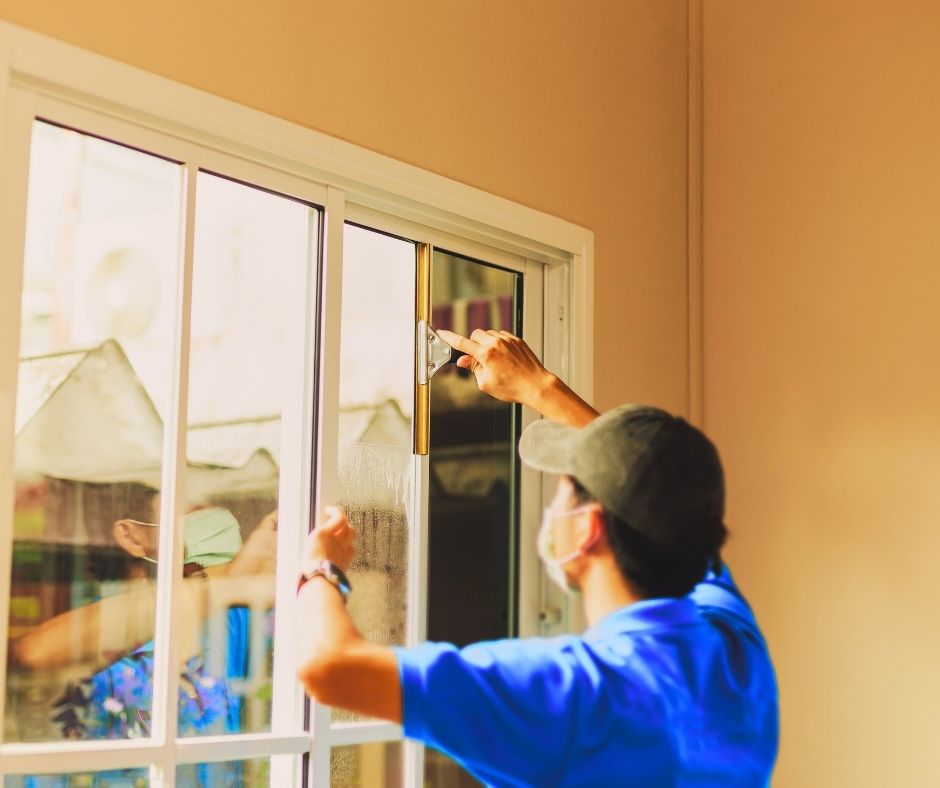
Once tint is installed, homeowners often notice differences the same day. Hot spots soften, glare drops, and rooms feel more balanced. AC cycles shorten during mild and moderate days. Over time, furniture and flooring show slower fading, and privacy improves in street-facing rooms.

For households across Louisville, Kentucky, and Indiana, residential window tinting offers a practical upgrade that supports comfort, energy control, and interior preservation. With the right film and experienced installation, small day-to-day changes grow into meaningful long-term benefits.

Redirect to:


Tinting home windows is often a smart choice for comfort and protection. Sunlight carries strong UV rays that can fade furniture, flooring, and artwork, and it can raise the temperature in certain rooms enough to make them uncomfortable. A quality window film reduces a large share of that heat and UV exposure, with some films cutting heat by as much as 80 percent. This helps keep indoor spaces cooler and far more pleasant during the warmer months.

Yes, home window tinting can be used to improve privacy while still allowing natural light to flow into the space. Many homeowners use frosted films for areas like bathrooms or reflective films for windows that face busy streets. With the wide range of privacy films available, it’s easy to find an option that fits both the room’s purpose and the home’s overall style.

High quality residential films installed correctly can last many years, even with Louisville’s humidity and temperature swings. Longevity depends on the type of film, the condition of the window, and how well the installation was performed. Sun Tint’s micro tinting process helps films stay clear, stable, and firmly bonded, which supports long-term performance.

Check our other pages :